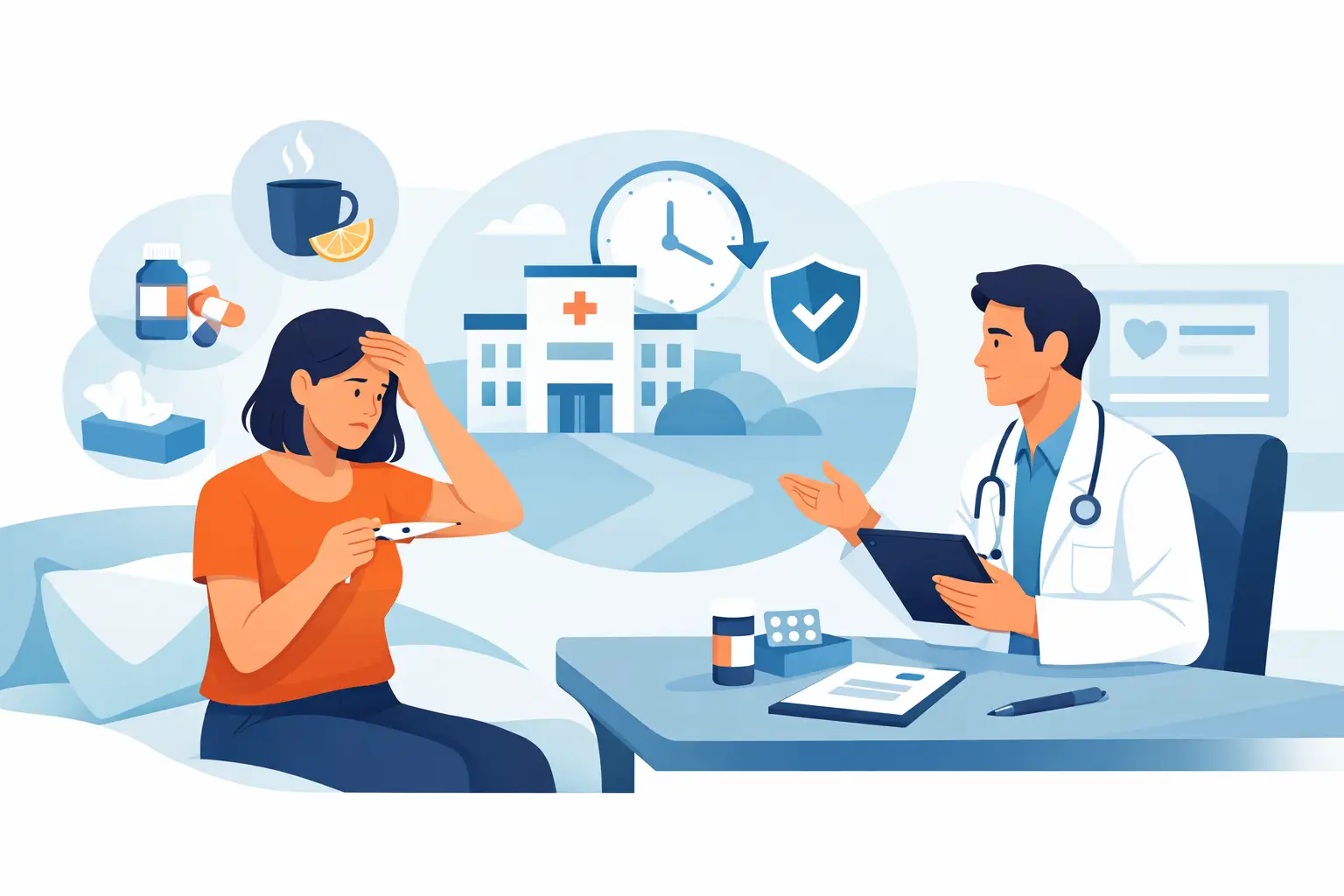
A sore throat that starts at breakfast can turn into a missed shift by noon. A child’s fever in the afternoon can quickly become an evening decision about where to go for care. When you need to manage minor illness same day, the goal is simple – get the right medical attention quickly, avoid unnecessary delays, and know when a symptom can be treated in an outpatient setting versus when it needs urgent or emergency care.
For many everyday health concerns, same-day care is the most practical option. Minor illnesses often do not require an emergency room visit, but they still deserve prompt assessment. Waiting several days for an appointment may lead to more discomfort, missed work or school, and uncertainty about whether symptoms are getting worse. A same-day medical visit helps patients get examined, receive treatment recommendations, and move forward with a clear plan.
What it means to manage minor illness same day
Same-day care is designed for non-life-threatening concerns that should be assessed promptly. This includes symptoms that are new, uncomfortable, or interfering with daily life, but do not suggest a medical emergency. Common examples include sore throat, cough, mild fever, ear pain, sinus symptoms, pink eye, rashes, urinary discomfort, minor skin infections, nausea without severe dehydration, and cold or flu-like illness.
The benefit of same-day assessment is not only speed. It also improves decision-making. Some conditions can be managed with rest, hydration, and over-the-counter medication. Others may need a prescription, testing, a note for work or school, or follow-up with a primary care provider. Getting evaluated early can reduce guesswork and help prevent a minor issue from becoming harder to manage.
That said, same-day care is not one-size-fits-all. Two people with similar symptoms may need different next steps depending on age, medical history, medications, pregnancy status, and how long symptoms have been present. A mild cough in an otherwise healthy adult is different from a cough in someone with asthma, heart disease, or a weakened immune system.
Which symptoms usually fit same-day outpatient care
Most patients looking for quick treatment are dealing with common illnesses that can be assessed safely in a medical clinic. Upper respiratory symptoms are one of the most frequent reasons for a same-day visit, especially when patients need to know whether symptoms suggest a viral infection, strep throat, sinus infection, or something that requires closer monitoring.
Digestive complaints may also fit this setting when symptoms are mild to moderate. Nausea, vomiting, diarrhea, stomach discomfort, or suspected food-related illness can often be addressed in clinic if the patient is still able to keep down some fluids and is not showing signs of serious dehydration.
Skin concerns are another common reason for prompt assessment. A new rash, insect bite reaction, localized redness, possible fungal infection, or a wart that needs treatment may not be an emergency, but it can still require same-day guidance.
Urinary symptoms such as burning, frequency, urgency, or mild lower abdominal discomfort may also be appropriate for same-day care. These symptoms often need evaluation quickly because delaying treatment can worsen discomfort and, in some cases, allow the infection to progress.
For families, minor illness often means a child with fever, congestion, ear pain, or school-excluding symptoms. In those cases, fast access matters not only for treatment but also for reassurance. Parents often need a clear answer on whether home care is enough or whether medication, testing, or further follow-up is needed.
When same-day care is not enough
Knowing how to manage minor illness same day also means knowing when not to wait for a standard outpatient visit. Chest pain, severe shortness of breath, signs of stroke, fainting, major injury, uncontrolled bleeding, seizures, severe allergic reaction, confusion, blue lips, or sudden weakness need emergency care.
There are also gray areas where symptoms may begin as minor but should be escalated quickly. A high fever that does not respond to medication, persistent vomiting with inability to drink fluids, worsening abdominal pain, significant dehydration, rapidly spreading rash, or breathing difficulty during a cold or flu should not be minimized.
Infants, older adults, and medically complex patients may need a lower threshold for urgent evaluation. The reason is straightforward: symptoms can progress faster, and complications are easier to miss when someone has other medical risk factors.
What to expect from a same-day visit
A well-run same-day clinic visit is focused, efficient, and practical. The provider will review your symptoms, ask how long they have been present, check whether they are improving or worsening, and look for warning signs that point to a more serious issue. A physical exam may be enough in many cases. In others, simple testing may be recommended.
The outcome of the visit depends on the diagnosis. Some patients are advised to manage symptoms at home with hydration, rest, fever control, nasal saline, or other supportive care. Others may receive a prescription for an infection, inflammation, nausea, or another specific issue. Some need a sick note, school note, or instructions for return precautions if symptoms change.
The most useful visits are the ones where patients come prepared with the basics: current medications, allergies, symptom timeline, recent travel if relevant, and any home test results already completed. If the patient is a child, it also helps to know temperature readings, fluid intake, and whether they are acting normally between symptoms.
Why access matters for working adults and families
Minor illness rarely shows up on a convenient schedule. It starts before school drop-off, during a workday, or on a Friday afternoon when getting an appointment elsewhere may be difficult. Delayed access often pushes patients into two poor options – wait too long or go to the emergency room for a problem that does not belong there.
Same-day outpatient access gives families and working adults a more appropriate path. It helps patients deal with common medical concerns without disrupting an entire week. It also supports continuity when the same medical center can help with both urgent minor illness and ongoing healthcare needs.
This matters in practical ways. A patient may come in for a sore throat, then return later for immunizations, forms, routine care, or rehabilitation support. A parent may bring in a child with an ear infection and later arrange family practice enrollment. Convenience is not only about speed. It is about reducing the need to navigate multiple locations for everyday healthcare needs.
At Twin Mills Medical Center, that access-focused model is built around same-day care, family medicine, and in-clinic support services that make common healthcare needs easier to address in one place.
How to make the right decision quickly
If symptoms are uncomfortable but stable, same-day medical assessment is often the right next step. If symptoms are severe, escalating, or affecting breathing, consciousness, or hydration, urgent or emergency care may be more appropriate. If you are unsure, the safest approach is to seek prompt medical direction rather than continue guessing at home.
It also helps to think in terms of function. Can the patient drink fluids, breathe comfortably, stay alert, and manage symptoms with basic care? Or are they getting worse, unable to keep fluids down, in significant pain, or showing unusual behavior? That distinction often clarifies whether a minor illness is still minor.
For patients trying to avoid unnecessary treatment, same-day care is still useful. Not every visit ends with a prescription, and that is often a good thing. A proper assessment can confirm when supportive care is enough and when antibiotics or other medication are not needed. That protects patients from overtreatment while still giving them a plan they can trust.
Manage minor illness same day with a clear care plan
The best way to manage minor illness same day is to act early, use the right level of care, and pay attention to changes in symptoms. Prompt outpatient evaluation can help with diagnosis, symptom relief, documentation, and peace of mind. It can also reduce missed work, missed school, and the stress that comes from waiting too long to be seen.
Most minor illnesses improve with time and appropriate treatment, but timing still matters. Fast access to a medical team can make the difference between a simple visit and several days of uncertainty. When symptoms appear, the most helpful next step is often the simplest one – get assessed, get clear instructions, and give yourself or your family the support needed to recover with confidence.
Leave a Reply