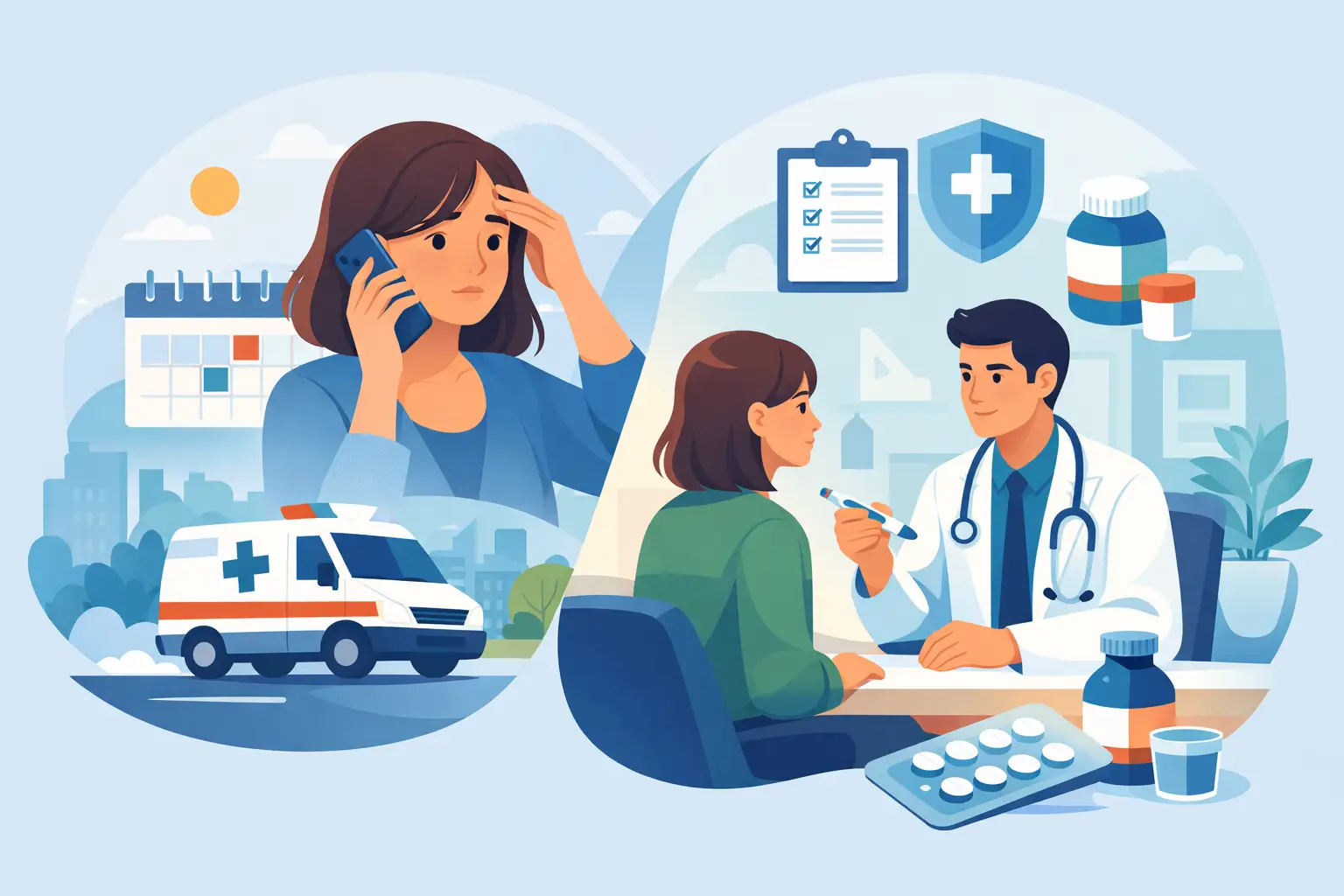
A sore throat that worsens overnight, a new rash before a workday, or a child with an earache can make waiting for a future appointment feel impractical. Same day care for minor illness gives patients a timely way to discuss new symptoms, receive an assessment, and leave with a clear plan for treatment or follow-up.
For families and busy adults, the goal is not simply speed. It is getting the right level of care for a problem that needs medical attention but is not a life-threatening emergency. A walk-in or same-day visit can help address common concerns without requiring patients to delay care, visit multiple locations, or wait for a routine primary care appointment.
What Same Day Care for Minor Illness Can Address
Minor illnesses are common, but they can still interfere with sleep, work, school, and daily responsibilities. A clinician can assess symptoms, review relevant medical history, determine whether testing or medication is appropriate, and explain what to watch for at home.
Same-day care may be appropriate for concerns such as cold and flu symptoms, sore throats, ear pain, sinus symptoms, mild allergic reactions, nausea, vomiting, diarrhea, urinary symptoms, pink eye, minor skin infections, rashes, and uncomplicated coughs. It can also be useful for minor injuries, such as small cuts, sprains, or strains, when there is no concern for a fracture or severe bleeding.
The visit is also an opportunity to distinguish between illnesses that often improve with rest and fluids and those that may need prescription treatment, testing, or additional assessment. Antibiotics, for example, do not treat viral colds or influenza. A medical assessment helps ensure treatment matches the likely cause of symptoms.
When a Same-Day Visit Makes Sense
A same-day visit is a practical choice when symptoms are new, uncomfortable, persistent, or making normal activities difficult. It may also be appropriate when you are unsure whether a condition can be managed at home or needs medical treatment.
Consider seeking same-day care if a fever lasts longer than expected, a sore throat makes swallowing painful, urinary symptoms are increasing, a cough is not improving, or a rash is spreading. Parents may choose a same-day visit when a child has ear pain, reduced appetite, vomiting, or symptoms that are affecting sleep and behavior.
Timing matters. Early assessment can help patients receive guidance before a minor problem becomes more disruptive. It can also provide documentation for school or work when medically appropriate, along with instructions for returning to normal activities safely.
That said, not every illness requires an immediate clinic visit. Mild cold symptoms that are improving, brief stomach upset without dehydration, or a small, stable rash may be manageable with home care and monitoring. If symptoms change, worsen, or do not improve as expected, it is reasonable to seek medical advice.
What to Expect During Your Visit
A same-day appointment or walk-in visit is designed to focus on the concern that brought you in. The clinical team will ask about your symptoms, when they began, any medications you take, allergies, existing health conditions, and recent exposures that may be relevant.
Depending on the concern, the clinician may examine your ears, throat, lungs, skin, abdomen, or affected area. Some conditions may require testing, while others can be diagnosed based on symptoms and an examination. If a prescription is needed, access to an integrated pharmacy can make it easier to begin treatment without adding another stop to your day.
You should leave with practical next steps. These may include medication instructions, self-care recommendations, advice about hydration and rest, guidance on contagious illness precautions, or a plan for follow-up. If your symptoms need a higher level of care, the clinician can advise you on the appropriate next step.
How to Prepare for Same-Day Care
A little preparation can make a short visit more effective. Bring your health card or insurance information, a current list of medications, and details about any drug allergies. If you are visiting on behalf of a child, be ready to describe symptoms, temperature readings, fluid intake, and changes in behavior or sleep.
It is helpful to note when symptoms started and whether they are getting better, worse, or staying the same. Mention recent travel, exposure to sick contacts, new foods or medications, and relevant medical history. Photos can be useful for rashes that come and go or swelling that has changed since it first appeared.
If you think you may be contagious, follow the clinic’s current instructions before arrival. Wearing a mask when you have respiratory symptoms and practicing good hand hygiene can help protect other patients, including infants, older adults, and people with weakened immune systems.
When Minor Illness Needs Emergency Care Instead
Same-day care is not a substitute for emergency services. Call emergency services or go to the nearest emergency department for chest pain, severe trouble breathing, signs of stroke, fainting, severe allergic reactions with swelling of the face or throat, uncontrolled bleeding, seizures, or a serious injury.
Urgent emergency assessment is also needed for severe dehydration, confusion, sudden severe headache, a stiff neck with fever, blue lips, severe abdominal pain, or symptoms that rapidly worsen. For infants, older adults, pregnant patients, and people with significant chronic health conditions, the threshold for urgent assessment may be lower. When in doubt, choose the safer option and seek immediate guidance.
Care That Fits Into Everyday Life
Accessible care matters because illness rarely arrives at a convenient time. A same-day visit can provide a clinically appropriate alternative when you need help soon but do not need emergency treatment. It also supports continuity when your care is provided within a medical center that can assist with ongoing primary care, rehabilitation needs, preventive services, and routine medical forms.
At Twin Mills Medical Centre, patients can access walk-in support for common minor medical concerns alongside broader outpatient services in one location. Availability can vary by day and patient volume, so arriving early or checking current clinic procedures can help make your visit more efficient.
A Clear Next Step When You Feel Unwell
Do not wait until a manageable illness becomes harder to handle. If symptoms are affecting your day, are not improving, or leave you uncertain about what to do next, same-day medical assessment can provide reassurance and a practical plan. Bring the information that matters, describe your symptoms clearly, and seek emergency care promptly when warning signs are present.
Leave a Reply