Choosing a family practice often comes down to one practical question: can this clinic handle most of what you and your family actually need? For many patients, that means more than annual checkups. It means help with routine concerns, timely care for minor illnesses, preventive screenings, prescriptions, forms, vaccinations, and clear follow-up when something needs closer attention.
A good family practice is built around continuity. Instead of starting over at every visit, you return to a provider or care team that knows your medical history, current medications, ongoing concerns, and the context around your health. That familiarity can make care more efficient and more accurate, especially for families managing care across different ages and needs.
What family practice includes
Family practice is a primary care model designed to support patients over time. It typically covers preventive care, diagnosis and treatment of common illnesses, chronic disease management, routine prescriptions, referrals when needed, and health advice across different stages of life. Children, adults, and seniors can often receive care through the same clinic.
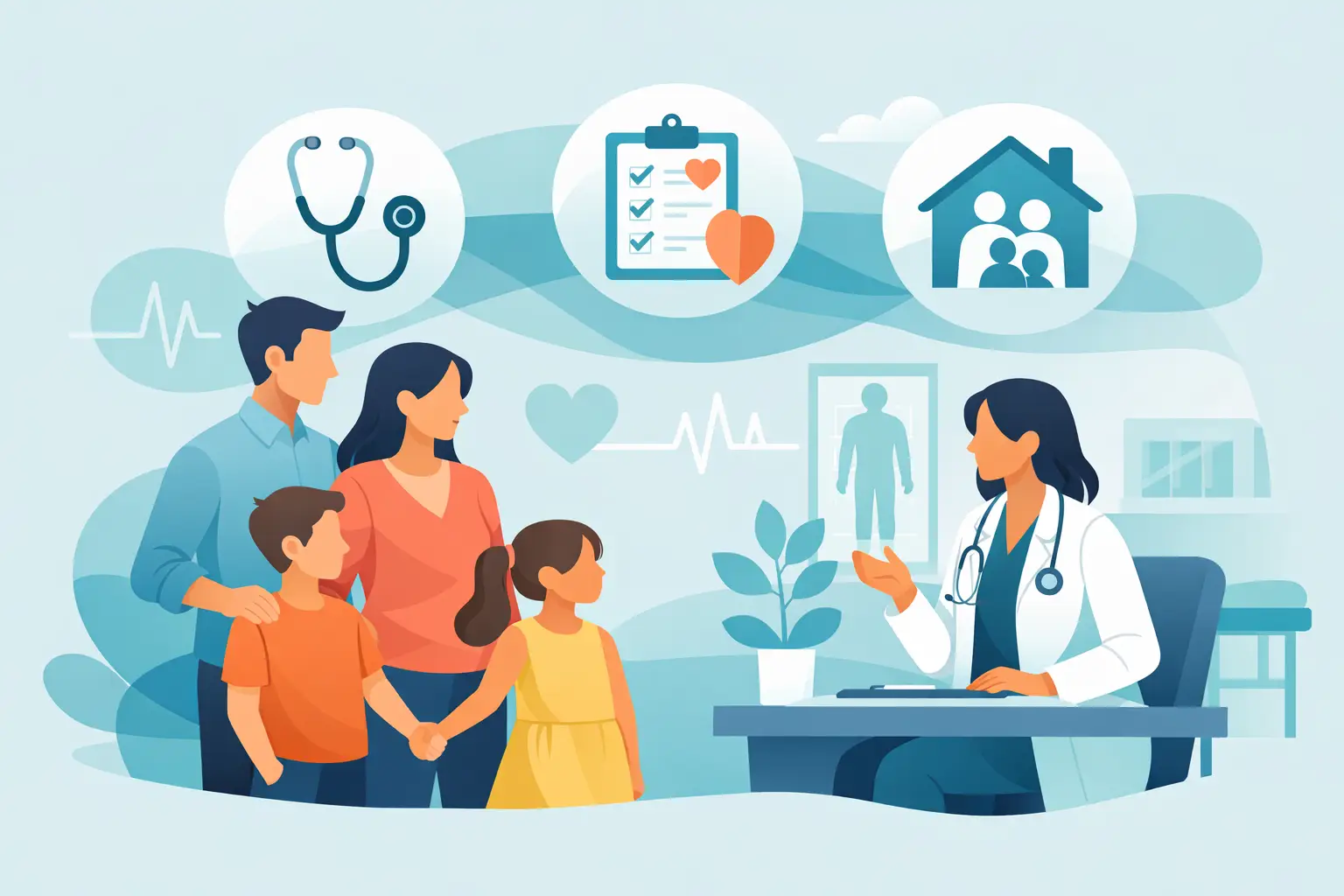
That broad scope is part of what makes family medicine useful. A parent may bring in a child for a fever, book their own blood pressure follow-up, and ask about vaccines or a form for work, all through the same medical office. When care is coordinated in one place, it tends to reduce delays and unnecessary back-and-forth.
In day-to-day terms, family practice often includes annual physicals, sick visits for minor infections, monitoring for conditions such as diabetes or hypertension, prescription renewals, preventive counseling, immunizations, and support with medical documentation. Some clinics also offer access to services like TB testing, driver medical exams, workplace forms, or minor procedures. That range matters because patients do not experience healthcare in neat categories. They need practical access to the services that come up in real life.
Why continuity matters in family practice
Continuity is one of the strongest reasons to enroll with a family practice. When your provider has seen patterns over time, they are better positioned to notice changes early. A recurring cough, shifting blood pressure readings, medication side effects, or repeat urgent visits may look different when viewed across months rather than as isolated events.
This is especially important for patients with ongoing health needs. Chronic conditions rarely depend on one visit alone. They require monitoring, medication adjustments, preventive screening, and follow-up. Even when a problem seems simple, the right next step may depend on age, past history, family history, or previous test results.
Continuity also helps with everyday efficiency. Patients spend less time repeating their history, and clinicians can make more informed decisions without piecing together incomplete information from multiple locations. That does not mean every issue must wait for a scheduled primary care appointment. In many communities, the most useful model combines ongoing family medicine with timely access for urgent but non-emergency concerns.
Family practice versus walk-in care
Patients often compare family practice with walk-in care, but the two serve different purposes. Family practice supports long-term care, prevention, and follow-up. Walk-in care is useful when a patient needs same-day attention for a minor issue and cannot wait for a routine appointment.
The difference is not about quality. It is about scope and continuity. A walk-in visit can be appropriate for a sore throat, mild rash, urinary symptoms, a minor infection, or a medication question that needs prompt review. Family practice becomes more important when the issue is ongoing, recurring, preventive, or tied to a broader medical history.
For many patients, the best setup is a clinic that offers both. That gives patients a home base for regular care while still allowing practical access when a child wakes up sick, a prescription issue comes up unexpectedly, or a new symptom needs quick evaluation. It can also reduce the need to visit multiple offices for concerns that are urgent but not emergencies.
What to look for in a family practice clinic
Not every clinic is structured the same way. Some focus mainly on scheduled primary care, while others combine family medicine with walk-in access, allied health support, diagnostics, and in-clinic pharmacy services. The right fit depends on your needs, but a few factors matter for most patients.
Access is one of them. If booking is difficult or appointment times are limited, continuity becomes harder to maintain. Patients with work schedules, school pickups, or caregiving responsibilities often need evening or weekend options, or at least a clinic with clear and efficient scheduling.
Service range also matters. A family practice that can coordinate immunizations, forms, routine testing, minor procedures, rehabilitation support, or specialty diagnostics can save time and reduce fragmentation. Convenience is not just about comfort. It can affect whether people actually follow through with care.
Clear clinic processes matter as well. Patients benefit from knowing how to register, when to use walk-in services, what to bring to appointments, and how prescription renewals or test follow-up are handled. A dependable clinic is not only clinically strong. It is organized, responsive, and easy to navigate.
When a broader medical center makes sense
For many individuals and families, healthcare needs do not stay in a single lane. A patient may need primary care, then physiotherapy after an injury, then a form completed for work, then a prescription filled before heading home. A broader outpatient medical center can make those transitions easier.
This model is particularly useful for busy households and working adults. Instead of coordinating across multiple providers for common needs, patients can often access several services in one location. That may include family medicine, same-day visits for minor concerns, rehabilitation support, immunizations, diagnostics, and an on-site pharmacy.
There are trade-offs, and they are worth acknowledging. A larger clinic may have more patient flow than a small solo office, and some visits may be with different providers depending on urgency and scheduling. For many patients, that trade is acceptable if the clinic maintains strong records, clear communication, and reliable follow-up. The key is whether the system supports both access and continuity rather than forcing patients to choose one or the other.
How family practice supports different life stages
Family practice is valuable because health needs change over time. Children need routine checkups, vaccines, and assessment for common illnesses. Adults often need preventive screening, management of blood pressure or cholesterol, prescription support, and care for acute concerns that arise around work and family responsibilities. Older adults may need more frequent monitoring, medication review, and coordination across multiple conditions.
A clinic that sees patients across life stages can often provide more cohesive care for the whole household. That is useful for families who want one medical home instead of separate providers for every age group and service type. It can also improve communication when family history or shared health concerns are relevant.
For parents, this often means simpler decision-making. For working adults, it means fewer delays. For older patients, it can mean more consistent monitoring and less fragmented care.
Getting the most from your family practice
Patients get better results from family practice when they use it proactively, not only when something goes wrong. Preventive visits, medication reviews, and follow-up appointments can catch issues early and keep treatment plans current. Bringing an updated medication list, asking questions directly, and following clinic instructions for tests or referrals also helps visits stay efficient.
It is also useful to understand when to use each service. Routine follow-up, preventive care, and chronic condition management belong with your primary care provider whenever possible. Same-day minor concerns may be appropriate for walk-in access if your clinic offers it. More serious symptoms, such as severe chest pain, major shortness of breath, signs of stroke, or other emergencies, need emergency care rather than outpatient treatment.
For patients looking for practical access in one setting, Twin Mills Medical Center reflects the kind of model many families prefer: ongoing primary care, same-day support for minor concerns, and additional in-clinic services that reduce extra steps.
The best family practice is not just the one closest to home. It is the one that helps you get care when you need it, keeps your health information connected, and makes routine healthcare easier to manage over time. When a clinic does that well, patients spend less energy navigating the system and more time getting the care they came for.
Leave a Reply