If you are looking for a drivers medical exam clinic, you usually need answers quickly. In most cases, you have a deadline from your employer, licensing authority, or insurance-related process, and the priority is simple – book the exam, bring the right information, and avoid delays.
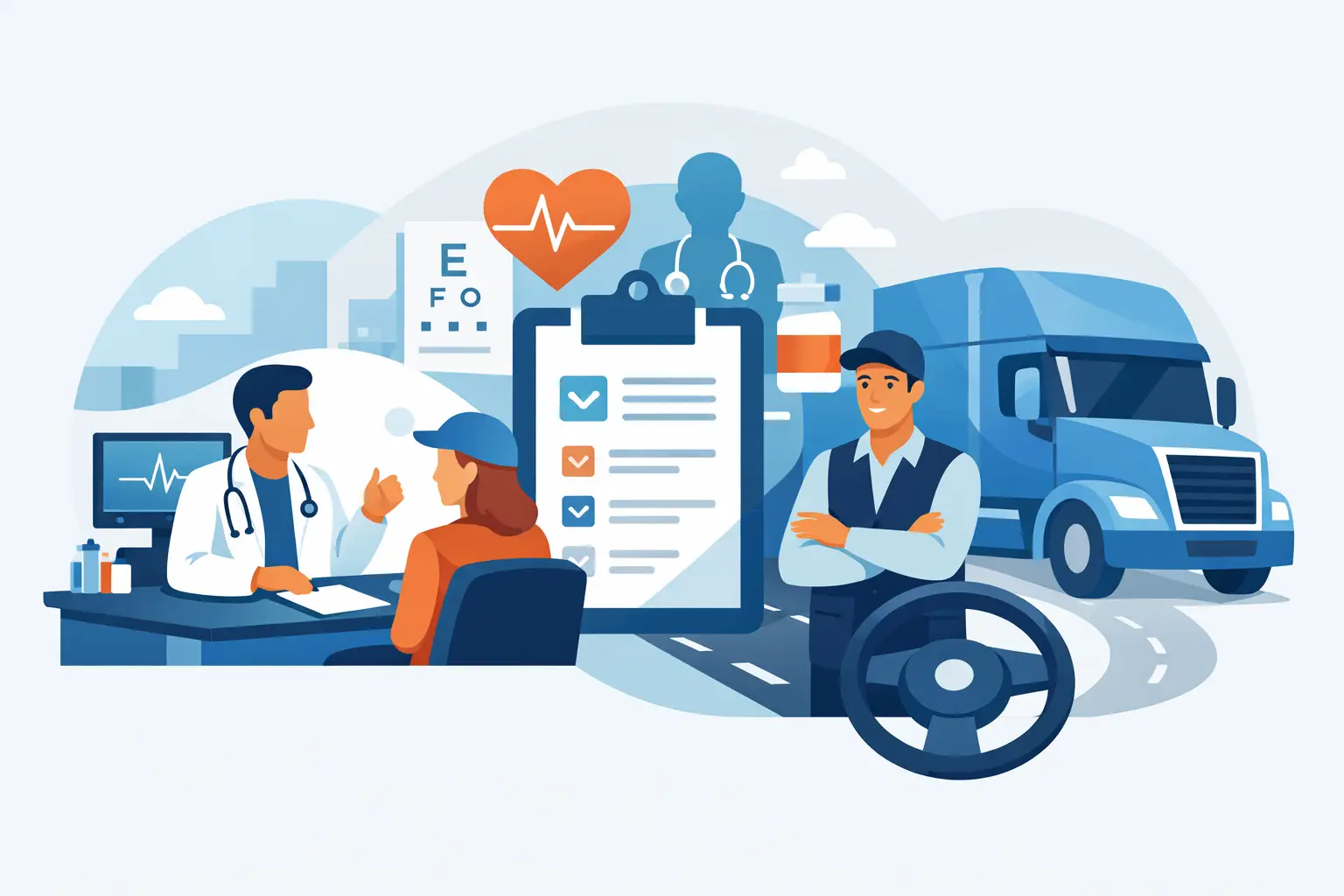
A driver’s medical exam is a practical appointment. Its purpose is to assess whether you are medically fit to drive based on your health history, current conditions, medications, vision, and overall function. For commercial drivers, seniors in certain licensing categories, and people asked to complete medical forms for license review, the exam can be a required step rather than an optional checkup.
At a community medical clinic, the process should be straightforward. You should know what the visit covers, what documents to bring, and whether any follow-up testing may be needed before forms can be completed.
When to book a drivers medical exam clinic visit
Patients usually book this type of visit for one of a few common reasons. The first is a routine licensing requirement, especially for commercial or professional drivers. The second is a request from a licensing body after a medical issue, surgery, diagnosis, or change in medication. The third is age-based renewal requirements that may include medical review.
Timing matters. If your license renewal date is close, it is better to book early. Some cases are simple and can be completed in one visit, but others depend on additional information such as specialist notes, medication lists, or recent test results. If a patient arrives without the required form or cannot confirm their medical history, the appointment may take longer or need follow-up.
What happens at a drivers medical exam clinic appointment
Most appointments begin with a review of the form that needs to be completed. The clinician will confirm why the exam is required and whether there are any specific reporting standards attached to your license class or employer documentation.
The visit commonly includes a review of your medical history, current diagnoses, past surgeries, medications, vision status, and any symptoms that could affect safe driving. This may include questions about fainting, seizures, heart disease, diabetes, sleep disorders, neurological conditions, or substance use history. Not every condition prevents driving, but many require proper documentation and evidence of control.
A physical exam is typically part of the appointment. Blood pressure, pulse, height, weight, and general physical status may be checked. Vision screening is often included, and the clinician may assess mobility, coordination, and any physical limitations that could affect operating a vehicle safely.
For some patients, that is the full visit. For others, the medical provider may need more information before signing or submitting forms. This does not always mean there is a serious problem. It may simply mean that a recent cardiology report, diabetes record, or medication update is needed to complete the file accurately.
What to bring to your appointment
A smooth visit usually depends on preparation. Bring your government-issued identification, your driver’s license, and any medical forms that must be completed. If the form was mailed to you, bring the full package, not just one page.
It also helps to bring a current medication list, glasses or contact lenses if you use them for driving, and any recent medical reports related to heart conditions, diabetes, sleep apnea, neurological disorders, or other ongoing issues. If you see a specialist regularly, having that doctor’s name and contact information can save time.
Patients sometimes assume the clinic already has access to outside records. That is not always the case. If your driving fitness depends on specialist care or recent testing, having those details available can prevent unnecessary delays.
Health issues that may affect driver medical clearance
A driver’s medical exam is not only about whether you feel well on the day of the appointment. It is about whether your medical condition is stable enough for safe driving over time.
Vision concerns are one common issue. If your vision does not meet the required standard, you may need correction or a separate optometry assessment. Blood pressure can also matter, especially if it is significantly elevated and uncontrolled. Diabetes may require review of how well blood sugar is managed and whether there is a history of severe low blood sugar episodes.
Sleep apnea is another condition that often comes up in driver assessments, particularly for commercial drivers. If it is diagnosed and being treated properly, that may support clearance. If it is untreated and causing excessive daytime sleepiness, that can raise safety concerns.
Cardiovascular and neurological conditions may also need closer review. A past stroke, seizure disorder, heart rhythm problem, or episodes of loss of consciousness can affect licensing decisions. The key issue is not always the diagnosis itself. In many cases, what matters most is current stability, treatment compliance, and whether symptoms are controlled.
This is where patients sometimes get frustrated. They may feel capable of driving, but the exam follows medical and regulatory standards, not personal judgment alone. A careful review protects both the driver and the public.
One-visit completion versus follow-up
Many driver medical forms can be completed during a single clinic visit, especially when the patient arrives prepared and has a stable medical history. If the exam is routine and there are no unresolved concerns, the process is often efficient.
Still, not every appointment ends with immediate form completion. If records are missing, if blood pressure is very high, or if there are unanswered questions about a medical condition, a follow-up may be necessary. That can involve obtaining outside reports, repeating measurements, or booking further assessment.
This is worth understanding before your visit. A drivers medical exam clinic can provide timely assessment, but it cannot bypass missing information or ignore findings that require review. Fast service is helpful, but accurate documentation matters just as much.
Choosing a clinic for a driver’s medical exam
Patients looking for this service usually value convenience, but convenience should not be the only factor. A good clinic should offer clear booking pathways, practical appointment availability, and an organized process for handling forms and documentation.
It also helps when the clinic provides broader medical support in the same location. If your exam identifies an issue such as high blood pressure, medication concerns, or the need for follow-up care, having access to primary care or related services can make the next step easier. That is especially useful for working adults who do not want to coordinate separate appointments across different offices.
In a busy community setting, efficiency matters. So does communication. Patients should know if the service is uninsured, what to bring, and whether additional tests or separate visits might be needed depending on their medical history.
For North York patients, a clinic such as Twin Mills Medical Center fits that model well by offering driver’s medical exams alongside primary care, walk-in care, and other practical outpatient services in one place.
How to prepare for the best outcome
The best way to prepare is to treat the appointment as both a form visit and a medical review. Bring complete paperwork. Arrive with an updated medication list. If you use corrective lenses for driving, wear them. If you monitor a condition like diabetes or hypertension, bring recent readings if available.
It is also smart to mention any recent hospital visit, new diagnosis, change in medication, or specialist assessment, even if you think it may not matter. Small details can become important once the form is being completed.
If you are worried that a health issue may affect your clearance, do not avoid the exam. It is better to be assessed early and understand what documentation or treatment is needed than to wait until a deadline becomes urgent. In many cases, the issue is not whether you can ever be cleared – it is whether the clinic has enough current information to support that decision safely.
A drivers medical exam clinic visit should feel organized, clear, and purposeful. When you come prepared and choose a clinic that handles these assessments routinely, the process is usually more straightforward than patients expect. If you need the exam, the most helpful next step is simple: book early, bring everything, and give the clinician a complete picture of your health.
Leave a Reply