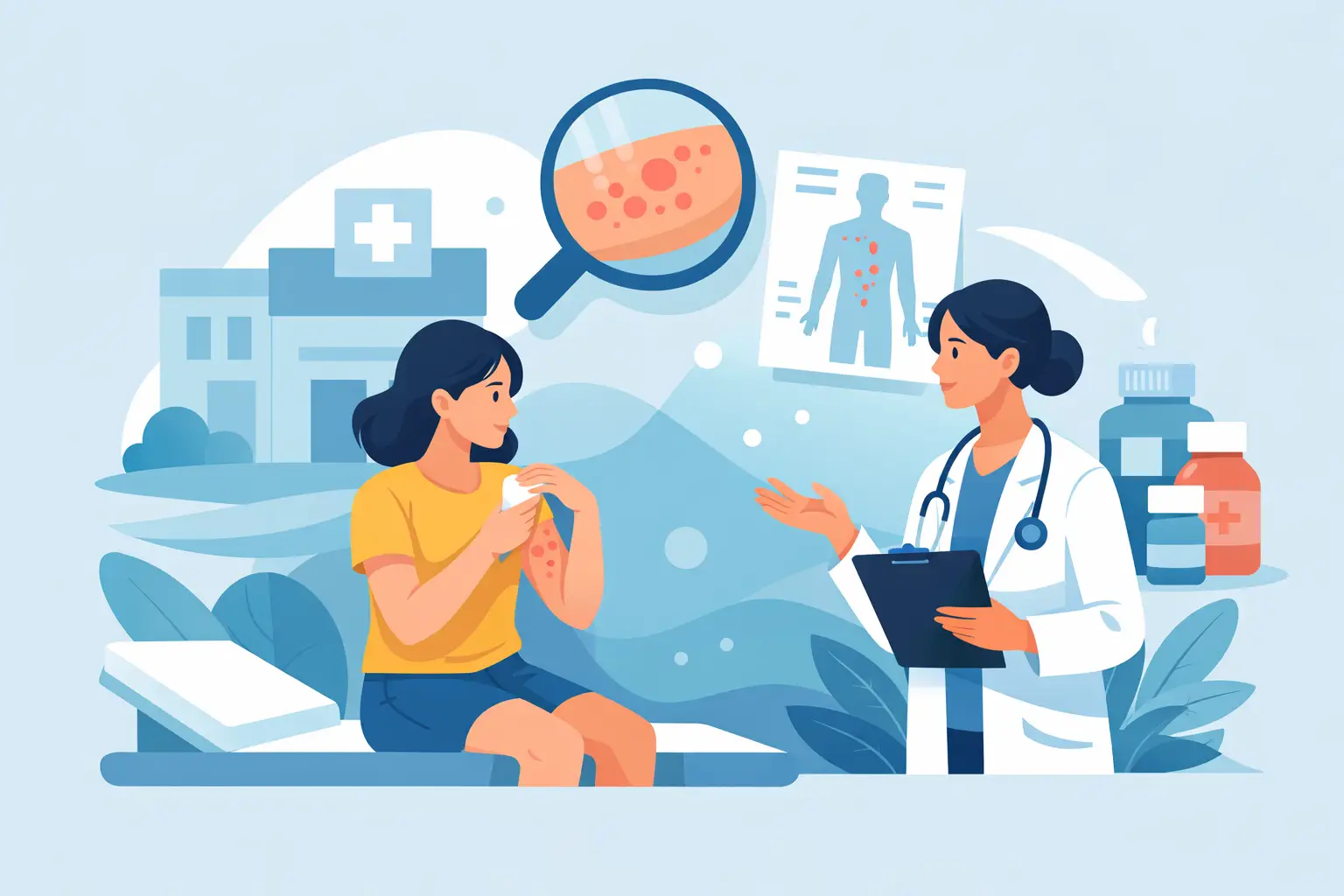
A new rash can go from mild annoyance to real concern fast, especially when it starts spreading, itching, burning, or showing up on a child. In many cases, the answer to can walk in clinics treat rashes is yes. Walk-in care is often a practical first step for rashes that need prompt medical assessment but are not severe enough for the emergency room.
The key is knowing what a walk-in clinic can usually manage, what may need follow-up, and when a rash is a sign of something more urgent. For patients who want timely, local care without waiting days for an appointment, walk-in assessment is often the right place to start.
Can walk-in clinics treat rashes for same-day concerns?
Yes, many walk-in clinics assess and treat common rashes on the same day. That includes rashes caused by allergic reactions, eczema flare-ups, contact dermatitis, fungal skin infections, heat rash, hives, insect bites, and some viral or bacterial skin conditions.
A clinician can examine the rash, ask about recent exposures, review symptoms, and decide whether treatment can begin right away. Depending on the cause, treatment may include prescription creams, oral medication, advice on skin care, or monitoring instructions.
This kind of visit is especially useful when the rash is uncomfortable, new, getting worse, or not improving with over-the-counter products. It is also helpful when the diagnosis is not obvious. Many skin conditions look similar at home, but require different treatment plans.
What kinds of rashes can a walk-in clinic usually treat?
Most outpatient clinics are equipped to assess a wide range of non-emergency skin problems. A rash from poison ivy, a detergent reaction, or a new soap may be treated with skin care guidance and anti-inflammatory medication. Eczema may need prescription-strength creams if home treatment is no longer enough.
Fungal rashes, including ringworm or yeast-related irritation in skin folds, can also often be diagnosed and treated in a walk-in setting. The same is true for mild bacterial skin infections, although those may need closer follow-up depending on how widespread they are.
Hives are another common reason for a same-day visit. Some cases are short-lived and straightforward. Others need evaluation to rule out a medication reaction, infection, or allergy pattern that requires more attention.
Rashes in children are also commonly seen in walk-in care. That said, age matters. A baby with a fever and rash needs more caution than an older child with a mild diaper-area irritation or a simple viral rash.
What happens during a rash assessment?
The visit is usually focused and practical. The clinician will look at the rash directly and ask when it started, whether it itches or hurts, and if it has changed in appearance. They may ask about fever, recent illness, new medications, travel, insect bites, pets, skin products, or contact with someone who has a contagious rash.
Location matters as much as appearance. A rash on the hands, face, scalp, groin, or around the eyes may be approached differently than one on the arms or legs. The clinician will also look for signs of infection, swelling, blistering, drainage, or skin breakdown.
In many cases, no lab testing is needed. Skin conditions are often diagnosed by history and examination. If the rash is less clear, the plan may involve initial treatment plus follow-up if it does not improve as expected.
When a rash needs more than walk-in treatment
Walk-in care is appropriate for many rashes, but not all of them. Some cases need emergency assessment, specialist input, or ongoing primary care follow-up.
A rash should be treated as urgent if it comes with trouble breathing, swelling of the lips or tongue, high fever, confusion, severe pain, or signs of a serious allergic reaction. A rapidly spreading rash with blistering or skin peeling also needs immediate medical attention.
There are also rashes that may seem minor at first but need a different level of care. A rash near the eye, a widespread infection, or a rash in someone with a weakened immune system deserves prompt medical review and may require closer monitoring. If a patient has diabetes, is pregnant, is on chemotherapy, or has recently started a new high-risk medication, the threshold for seeking medical care should be lower.
This is where clinical judgment matters. Not every red patch is urgent, but not every rash should be managed with home remedies either.
Can walk-in clinics treat rashes caused by infection?
They often can, depending on the type and severity. Mild fungal infections are commonly treated in clinic. Some bacterial skin infections can also be managed with topical or oral antibiotics if caught early.
Viral rashes are more variable. Some only need symptom support and monitoring. Others require isolation advice, testing, or follow-up based on the patient’s age and overall health. If a rash may be contagious, getting assessed sooner can help reduce spread at home, school, or work.
The trade-off is that skin infections do not always stay mild. If redness is expanding, pain is increasing, or there is pus, fever, or warmth in the area, treatment should not be delayed. In those situations, walk-in care may still be the right entry point, but the patient may need escalation depending on findings.
Common treatments a clinic may provide
Treatment depends on the cause, not just the appearance. That is why guessing can lead to the wrong product and a longer recovery. A steroid cream may help eczema but worsen certain fungal infections. An antifungal product will not help hives. Antibiotics are useful only when a bacterial cause is likely.
After assessment, a clinic may recommend a prescription cream, an oral antihistamine, an antifungal medication, an antibiotic, or a short course of another targeted treatment. Just as important, patients are usually given instructions on what to avoid, how to protect the skin, and how long improvement should take.
For recurring rashes, the goal is not only short-term relief. It is also to reduce triggers and avoid repeated flare-ups. That may mean changing skin products, avoiding irritants at work, adjusting bathing habits, or reviewing medications.
When to come in instead of treating it at home
Some mild rashes do improve with fragrance-free moisturizer, gentle cleansing, and time. But if the rash is spreading, very itchy, painful, draining, or lasting longer than expected, it makes sense to get assessed.
The same is true if the rash affects sleep, work, school, or daily comfort. Rashes on the face, hands, feet, genitals, or large areas of the body are harder to manage without a diagnosis. If a child has a new rash and is also sick, or if an adult develops a rash after starting a new medication, waiting too long can create unnecessary risk.
For many patients, the practical benefit of a walk-in visit is speed. Instead of trying multiple over-the-counter treatments and hoping one works, they can get a medical opinion, a treatment plan, and guidance on whether follow-up is needed.
What to expect after treatment
Not every rash clears immediately, even with the right medication. Some improve within a few days, while others take one to two weeks or longer. The expected timeline depends on the diagnosis, how long the rash has been present, and whether the skin has become secondarily infected or irritated by scratching.
Patients should seek follow-up if the rash worsens, does not improve as expected, or returns soon after treatment ends. In some cases, a rash that seems simple turns out to be chronic dermatitis, psoriasis, a medication reaction, or another condition that needs a broader care plan.
This is one reason integrated care can be useful. At a clinic such as Twin Mills Medical Center, patients can start with walk-in assessment and, when needed, arrange follow-up within a broader outpatient care setting.
The bottom line on can walk in clinics treat rashes
For many everyday skin concerns, the answer to can walk in clinics treat rashes is yes. Walk-in care is often a sensible option for same-day assessment of itchy, red, inflamed, or spreading rashes that are uncomfortable but not immediately dangerous.
The most important step is not trying to identify every rash yourself. It is recognizing when the skin needs medical attention, especially if symptoms are worsening or the cause is unclear. If a rash is making you pause, getting it checked is often the fastest way to start the right treatment and feel more comfortable sooner.
Leave a Reply