
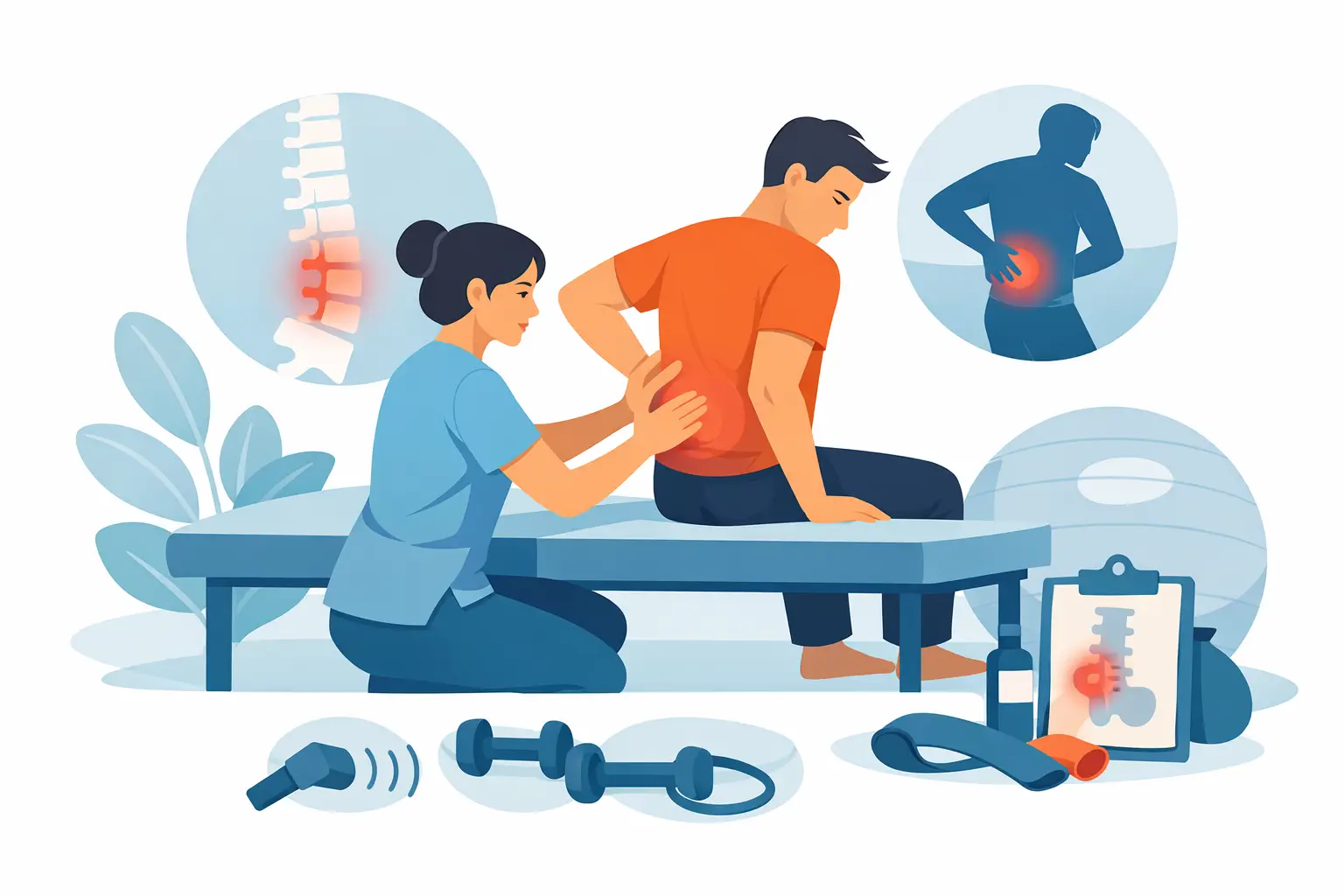
Lower back pain often starts small. You bend to pick something up, sit too long at work, or wake up stiff after a poor night of sleep, and suddenly everyday movement feels harder than it should. Physiotherapy for lower back pain is designed to address that early, with treatment that focuses on reducing pain, improving mobility, and helping you return to normal activity safely.
For many people, back pain is not caused by one major injury. It may develop from repeated strain, weak supporting muscles, poor lifting mechanics, prolonged sitting, or reduced flexibility. In other cases, it follows a sports injury, workplace incident, or flare-up of an existing condition. That is why effective care starts with understanding what is driving your symptoms, not just where the pain is located.
When physiotherapy for lower back pain makes sense
Physiotherapy is often appropriate when lower back pain is interfering with work, exercise, sleep, walking, or routine tasks at home. It can also help if your pain keeps returning, if you feel stiffness that does not improve on its own, or if you are avoiding movement because you are concerned about making it worse.
Many patients assume they should rest until the pain fully settles. In reality, too much rest can sometimes prolong recovery. Guided movement is often part of the solution. A physiotherapist can assess how your back is moving, identify limitations, and build a treatment plan that matches your symptoms and activity level.
This approach is useful for both recent pain and longer-term discomfort. Acute back pain may need pain control and gentle movement strategies first. Persistent back pain often requires a broader plan that includes strength, posture, work habits, and pacing. The right starting point depends on the person.
What a physiotherapy assessment usually includes
A proper assessment is more than a quick look at the painful area. Your physiotherapist will usually ask when the pain started, what movements trigger it, whether it travels into the hip or leg, and how it affects daily function. They may also ask about past injuries, work demands, exercise habits, and any previous imaging or treatment.
The physical exam often includes checking posture, spinal movement, muscle strength, flexibility, joint mobility, and how you walk, bend, sit, and stand. If symptoms suggest nerve involvement, testing may include reflexes, sensation, and specific movement patterns.
This matters because lower back pain is not one single problem. Muscle strain, joint irritation, disc-related pain, poor movement mechanics, and deconditioning can feel similar at first. Treatment tends to work better when it is based on a clear clinical picture rather than a generic set of exercises.
Common treatments used in physiotherapy for lower back pain
Most physiotherapy plans combine several treatment methods. Exercise is usually the core component because it helps improve how the back and surrounding muscles support movement over time. Depending on your symptoms, this may begin with gentle mobility work and progress to strengthening for the core, hips, and legs.
Manual therapy may also be used. This can include hands-on techniques to improve joint motion, reduce stiffness, or ease muscle tension. For some patients, this helps them move more comfortably so they can participate in exercise sooner. It is usually one part of the plan, not the whole plan.
Education is another major part of care. Patients often want to know whether to stretch, rest, walk, use heat, or avoid certain activities. Clear advice can reduce uncertainty and help you recover with more confidence. In many cases, learning how to move well and pace activity is just as important as treatment done in the clinic.
Some treatment plans may also include postural retraining, guided return to work activity, and home exercises. If your back pain is linked to repetitive lifting, extended driving, desk work, or reduced physical conditioning, these factors need to be addressed as part of recovery.
What improvement usually looks like
Recovery is not always a straight line. Some patients feel better quickly, especially if care starts early and the problem is mainly mechanical. Others improve more gradually, particularly if pain has been present for months or keeps recurring.
At first, progress may show up as less morning stiffness, easier walking, or being able to sit longer without pain. Later, goals often shift toward lifting, exercise, childcare, housework, or returning to work demands. The most meaningful changes are usually functional, not just a lower pain score.
It is also normal for treatment plans to change over time. Early sessions may focus on pain relief and restoring movement. Later sessions often place more emphasis on strength, endurance, and preventing future flare-ups.
When lower back pain needs medical attention first
Physiotherapy is helpful for many cases of back pain, but some symptoms need prompt medical assessment. Severe weakness, loss of bladder or bowel control, numbness in the groin area, unexplained fever, major trauma, or pain linked to significant unexplained weight loss should not be ignored.
Pain that shoots down the leg with numbness or tingling may still be managed with physiotherapy, but it should be properly assessed to determine the cause and urgency. The same applies if back pain is severe, constant, or not improving as expected.
This is where access to coordinated outpatient care can make a difference. If a patient needs both medical evaluation and rehabilitation support, having those services available through one clinic can simplify next steps and reduce delays.
The role of exercise in lower back pain recovery
Patients are often unsure whether exercise will help or aggravate their pain. The answer depends on the type, timing, and intensity. The goal is not to push through severe pain. The goal is to restore movement and build support around the spine in a way that matches your current tolerance.
Walking is often a useful starting point, especially for people who have become less active because of pain. Specific strengthening may then be added for the abdominal muscles, glutes, and other areas that support spinal control. Stretching can help in some cases, but not all lower back pain is caused by tight muscles. That is why individualized guidance matters.
A common mistake is doing random exercises found online without knowing whether they match the actual problem. One person may benefit from mobility work. Another may need stabilization. Another may need to change lifting technique and sitting habits more than anything else. Good physiotherapy narrows that down.
What to expect from appointments
Most patients want straightforward care and a clear plan. After assessment, your physiotherapist should explain what they think is contributing to your back pain, what treatment will involve, and what kind of timeline is realistic. You should also leave with practical advice you can use between visits.
Appointments may vary depending on the stage of recovery. Early care may involve more hands-on treatment and symptom management. As you improve, sessions often focus more on progression, exercise form, and return to full activity.
Consistency matters. A home program done correctly and regularly often plays a major role in results. In-clinic treatment supports recovery, but long-term improvement usually depends on how well the plan carries into daily life.
How physiotherapy for lower back pain supports long-term function
The best outcome is not simply getting through one painful week. It is building a back that tolerates normal life better. That may mean learning how to lift with better mechanics, improving hip and core strength, adjusting your workstation, or understanding how to manage early signs of a flare-up before it becomes more limiting.
For people with recurring back pain, this preventive side of physiotherapy is often what makes the biggest difference. Pain may not disappear forever, especially if work or lifestyle factors continue to place stress on the back. But episodes can often become less frequent, less intense, and easier to manage.
At Twin Mills Medical Center, patients looking for practical rehabilitation support often value this kind of structured care. The goal is not to overcomplicate treatment. It is to assess the problem, start appropriate therapy, and help patients move forward with confidence.
If lower back pain is making normal activity harder, early assessment is often the most useful next step. Waiting for it to settle on its own can work sometimes, but when pain lingers, returns, or limits how you function, targeted physiotherapy can provide a clearer path back to movement.
Leave a Reply